
Albino Reindeer: The Rare Snow - White Marvel of the Tundra
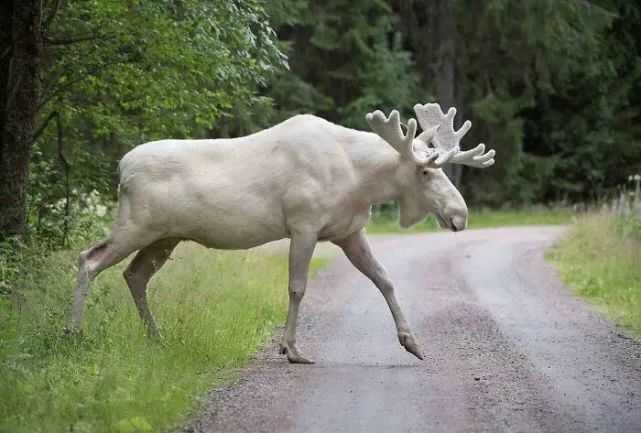
In the vast, icy expanses of the Arctic, an extraordinary genetic variation gives rise to the albino reindeer—a stunning creature whose pure white coat contrasts starkly with its surroundings. Unlike typical reindeer, which sport brown or gray fur to blend with tundra landscapes, albinos lack melanin, resulting in snow - white fur, pinkish skin, and often pale - colored eyes. This rare mutation occurs in both wild and domestic reindeer populations, captivating scientists and indigenous communities alike.
1 minute read
Rare White Giraffes Spotted in Kenyan Conservancy: A Glimpse of Nature’s Ethereal Marvel
In a stunning wildlife encounter, conservationists and visitors to Kenya’s Ishaqbini Hirola Conservancy have recently witnessed the rare sight of white giraffes roaming the arid landscapes. These majestic creatures, believed to suffer from leucism—a condition causing partial loss of skin pigmentation—stand out against the golden savannah with their snow-white hides, a stark contrast to the typical tan - spotted coat of their peers.
1 minute read

The Ganges Crocodile: One of the World's Largest Crocodiles with a Needle - Sharp Snout
The Ganges crocodile (Gavialis gangeticus), also known as the gharial, stands as one of the planet's most imposing crocodilian species. Native to the freshwater rivers of the Indian subcontinent, it boasts a uniquely long, slender snout perfectly adapted for its piscivorous (fish - eating) diet, making it a master predator in its aquatic habitat.
1 minute read

Honey Badgers: The Fearless 'Mellivora' That Take On Lions and Snack on Venomous Snakes
Known worldwide as the "honey badger" or the internet-famous "Pingtouge," Mellivora capensis has earned a reputation for unmatched bravery and a diet that defies logic. These stocky mammals, native to Africa, Asia, and the Middle East, are infamous for charging lions, tussling with hyenas, and even munching on cobras and vipers as if they were mere snacks.
1 minute read

The Dumbo Octopus: A Deep - Sea Marvel Named After Disney's Beloved Elephant
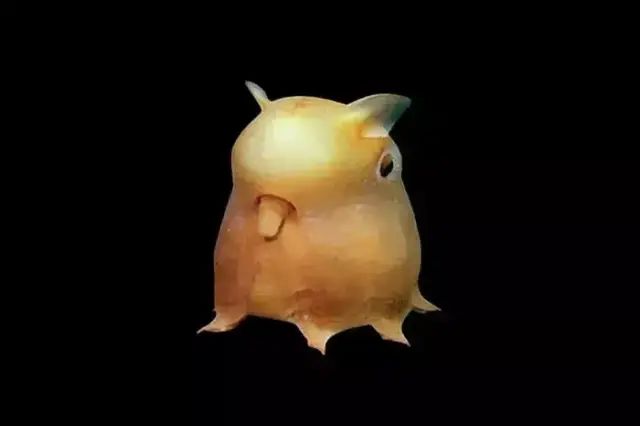
Hiding in the pitch - black depths of the ocean, the dumbo octopus (Grimpoteuthis) floats like a living piece of animation, its name inspired by Disney’s iconic flying elephant, Dumbo. With flapping ear - like fins and a gelatinous, umbrella - shaped body, this deep - sea cephalopod has captured the imagination of marine biologists and the public alike, proving that reality can be just as magical as fiction.
2 minute read
The Long-Eared Jerboa: A Desert Dweller with Ears Larger Than Its Body
Native to the arid deserts of Mongolia and northern China, the long-eared jerboa (Euchoreutes naso) defies expectations with its disproportionately giant ears, which can reach up to 6 centimeters—longer than its entire head and body combined. This mouse-sized rodent, adapted to survive in harsh desert environments, has captivated scientists and animal enthusiasts alike with its bizarre appearance and unique behavioral traits.
2 minute read

The Grey Gibbon: A Primate with an Expressive Face of Innocence and Subtle Sorrow
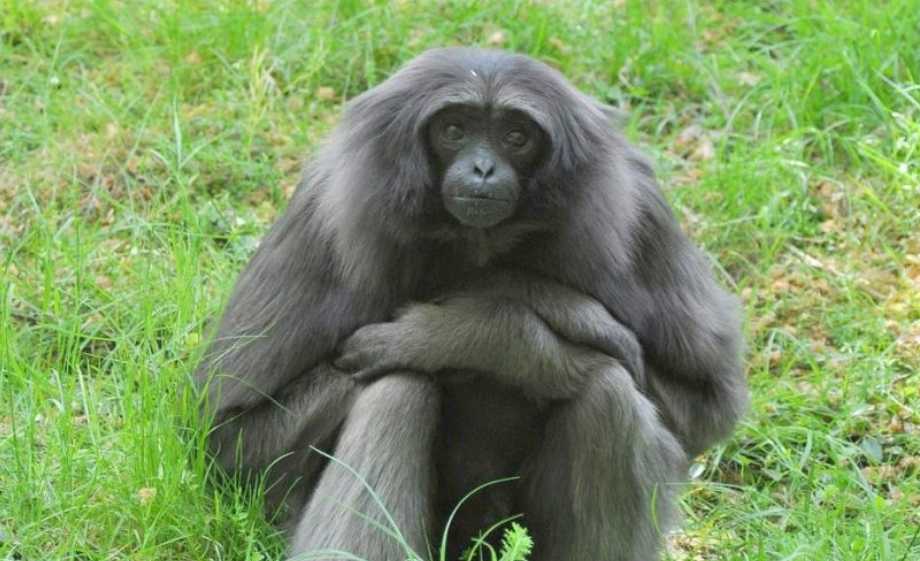
In the lush rainforests of Southeast Asia, the grey gibbon (Hylobates moloch) stands out not just for its agile brachiation but for its remarkably human-like facial expressions. With large, soulful eyes and a permanent expression that blends innocence with a hint of melancholy, this arboreal primate has captivated observers, sparking curiosity about the emotions behind its unique countenance.
2 minute read
The Warthog: Africa’s Grotesque Yet Resilient Oddity
Native to Africa, warthogs (Phacochoerus) earn their name from the fleshy facial warts beneath their eyes. Split into the common warthog and desert warthog, these ungulates have heads comprising one-third of their body length, with tusks reaching 64 cm. They subsist on grass roots and tubers, surviving months without water—adaptations that define their harsh savanna lifestyle.
1 minute read

The Eurasian Eagle-Owl: A Majestic Raptor with a Scruffy Adolescence
The Eurasian eagle-owl (Bubo bubo) ranks among the world’s largest owls, with a wingspan reaching 1.8 meters. Widespread across Eurasia, this apex predator inhabits forests and mountainous terrain, known for its deep, booming "hoo-hoo" calls and fierce territorial behavior. Classified as a national second-class protected animal in China, it commands respect as both a biological marvel and a cultural symbol.
1 minute read

The Black-Nosed Sheep: A Charismatic Alpine Resident with Distinctive Monochrome Markings
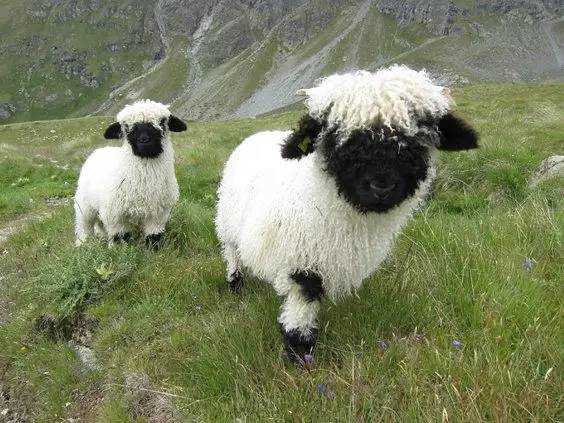
Native to the mountainous regions of Switzerland and Austria, the black-nosed sheep (Ovis aries) stands out for its striking appearance: a jet-black face, ears, knees, and legs contrast sharply with its thick, snowy-white fleece. This medium-sized breed, adapted to harsh alpine environments, has become an iconic symbol of mountain landscapes, blending practical resilience with undeniable charm.
1 minute read
The Black Muntjac: A Rare and Elusive Deer Species with Unique Physical Traits
Native to the mountainous forests of southeastern China, the black muntjac (Muntiacus crinifrons), also known as the "black tufted deer," stands out as one of Asia’s most enigmatic deer species. Recognized for its jet-black fur, distinctive tuft of hair on the forehead, and elongated canines in males, this medium-sized ungulate has captivated biologists due to its restricted range and vulnerable status in the wild.
2 minute read

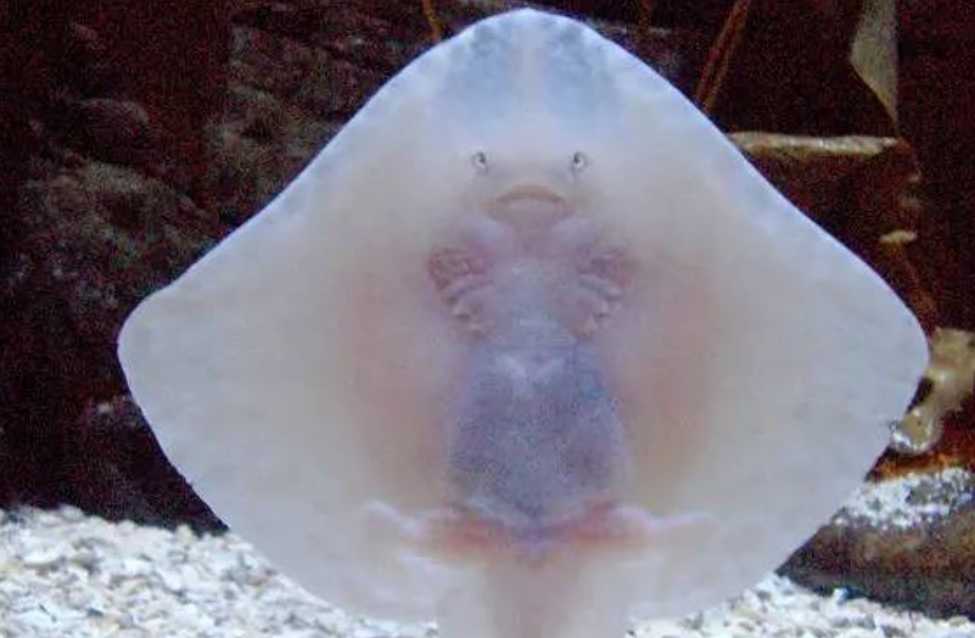
The Ray: A Diverse Group of Flat-Bodied Cartilaginous Fishes
Rays are a collective term for numerous flattened cartilaginous fishes in the orders Rajiformes and Myliobatiformes within the class Chondrichthyes. Below is a detailed introduction to these unique marine creatures:
2 minute read
The Punk - Headed Mary River Turtle: A Unique and Endangered Species
The Mary River turtle, also known as the "punk - headed turtle," is a freshwater turtle endemic to the Mary River in Queensland, Australia. It has a distinctive appearance, with strands of green algae growing on its head, which gives it the look of a punk rocker with a green Mohawk. This unique "hairdo" is not actually hair but a natural growth of algae, which adds to the turtle's charm and distinctiveness.
1 minute read

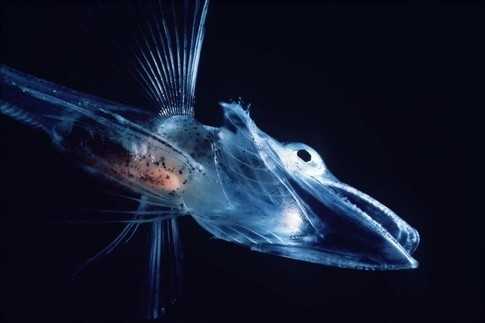
The Enigmatic Antarctic Icefish: Transparent Wonders of the Frozen Depths
The Antarctic icefish, members of the Channichthyidae family, are extraordinary creatures uniquely adapted to the frigid waters surrounding Antarctica. What sets them apart most dramatically is their clear, almost see-through blood, a result of lacking hemoglobin—the oxygen-carrying protein common in other vertebrates. These fish have evolved remarkable physiological traits to survive in one of the harshest environments on Earth.
1 minute read
Scientists Warn: 'Living Crystal' Buckley's Glass Frog Faces Extinction in Amazon Rainforest
Deep in the mist-shrouded cloud forests of the Andes, a frog with a body as transparent as glass teeters on the brink of crisis. The Buckley's glass frog (Centrolene buckleyi) is renowned for its translucent abdomen, where its beating heart, digestive system, and bones are visible—a natural "living dissection." However, the International Union for Conservation of Nature (IUCN) has classified this species as Vulnerable, with wild populations collapsing due to habitat destruction and illegal trade.
2 minute read
