Pampus argenteus: The Exquisite "Silver Pomfret" of the Seas
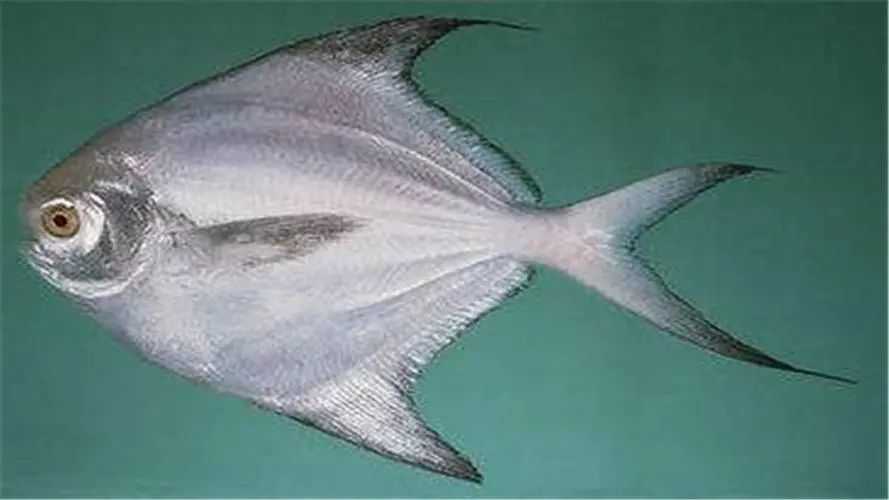
Pampus argenteus, commonly known as the silver pomfret or simply "pomfret" in many regions, is a species of fish that graces the coastal waters of the Indo - West Pacific. Revered for its elegant appearance and culinary value, this fish has captured the attention of seafood lovers and marine enthusiasts alike. Its body, oval - shaped and laterally compressed, is a sight to behold, shimmering with a silvery sheen that gives it an almost ethereal quality in the underwater world.
Source: Images from the Internet, if there is any infringement, please contact the removal of
Growing up to 35 centimeters in total length, the silver pomfret showcases a smooth, scaleless body. Its dorsal and ventral profiles are gently arched, creating a streamlined form perfect for navigating the ocean currents. The fish's fins are a key feature; the dorsal and anal fins are long and continuous, with the dorsal fin often sporting a slightly more prominent anterior section. The pectoral fins are large and fan - like, enabling precise movement, while the forked tail fin provides the necessary thrust for quick bursts of speed. Its coloration, a uniform silver - white, not only aids in camouflage among the sun - dappled waters but also makes it a standout when displayed in fish markets.
Silver pomfrets inhabit a variety of marine environments, from sandy and muddy bottoms to the waters around coral reefs, typically at depths ranging from 5 to 80 meters. They are a benthopelagic species, meaning they spend much of their time near the sea floor but also venture into the water column. Their diet mainly consists of small fish, crustaceans, and zooplankton, which they capture using their small, sharp teeth. In the Indo - Asia - Pacific region, the silver pomfret is highly prized for its delicate, buttery flesh. Whether steamed, grilled, or fried, it is a staple in many local cuisines. However, overfishing has taken a toll on its populations. Specimens weighing less than 1 kg are now more commonly seen, a far cry from their potential weight of 4 - 6 kg. Conservation efforts, such as fishing regulations and the establishment of marine protected areas, are crucial to ensure the long - term survival of this iconic and delicious species.