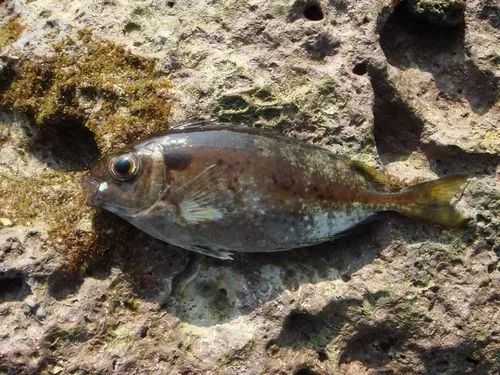
Trachinotus baillonii: The Alluring Small-Spotted Dart of the Indo-Pacific
It inhabits the warm waters of the Indo-Pacific, from the Red Sea to the Line Islands and from southern Japan to Lord Howe Island, adding a touch of elegance to the diverse marine ecosystems it calls home.
1 minute read

Siganus fuscescens: The Hardy Mudskipper Grouper of Tropical Waters
Recognized for its unique appearance and ecological significance, this fish has earned various nicknames reflecting its resilience and adaptability to diverse marine environments.
1 minute read
Salmon: The Iconic Fish of the Northern Waters
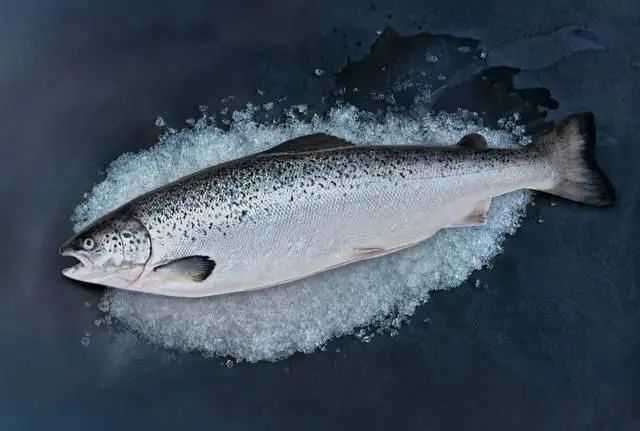
Salmon, commonly known as "salmon," is a group of anadromous fish species that have captured the world's attention for centuries. These remarkable creatures are renowned for their incredible life cycle, traversing vast distances between the ocean and freshwater rivers to spawn. Salmon are found in the cold waters of the North Atlantic and North Pacific Oceans, with several species, such as the Chinook, Coho, and Sockeye, each possessing unique characteristics.
1 minute read
Stephanolepis cirrhifer: The Elusive Threadback Filefish of Coastal Waters
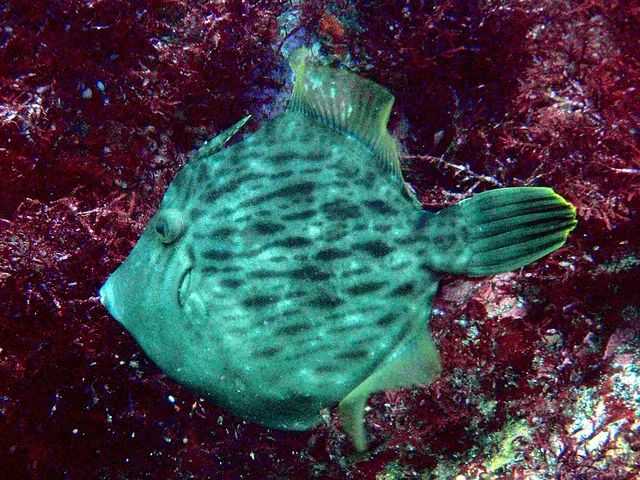
Renowned for its unique appearance and ecological role, this fish has earned various nicknames reflecting its distinct features, such as the "antler fish" due to the elongated dorsal fin spines resembling antlers in adult males.
2 minute read
Cyprinus acutidorsaulis: The Endemic "Sea Carp" of South China's Estuaries
Cyprinus acutidorsaulis, commonly known as the sea carp, is a unique and rarely seen species within the Cyprinidae family, endemic to the brackish waters of China’s South Sea. Unlike most carp species, it has adapted to thrive in the transitional zones between freshwater rivers and marine environments, making it a fascinating example of euryhaline adaptation. This fish is exclusively found in the river systems of Hainan Island and the lower reaches of the Qinjiang River in Guangxi, highlighting its restricted but vital ecological niche.
1 minute read
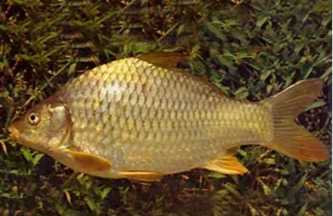
Lutjanus argentimaculatus: The Ruby Snapper of Tropical Shores
Lutjanus argentimaculatus, commonly known as the ruby snapper, is a striking species within the Lutjanidae family, characterized by its elongated, laterally compressed body and vibrant coloration. Inhabiting the warm waters of the Indian Ocean and South Pacific, this fish features a distinct reddish-brown hue on its dorsal side, fading to a lighter shade on the abdomen. Juveniles display 7–8 silvery transverse bands along their flanks, which gradually disappear as they mature, giving way to a sleek, uniform adult appearance.
1 minute read
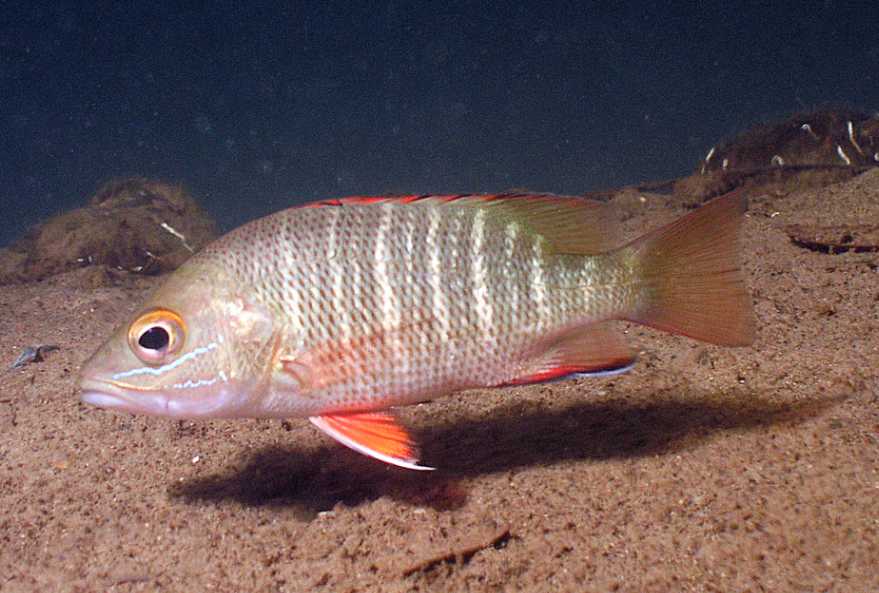
Gerres abbreviatus: The Compact Mojarra of Tropical Shores
Gerres abbreviatus, commonly known as the compact mojarra or short jewelfish, is a distinctive species within the Gerreidae family, thriving in the warm, shallow waters of the Indo-Pacific region. Recognized by its unique body shape and vibrant coloration, this fish is a notable inhabitant of coastal ecosystems, playing a vital role in the intricate food webs of tropical and subtropical seas.
2 minute read
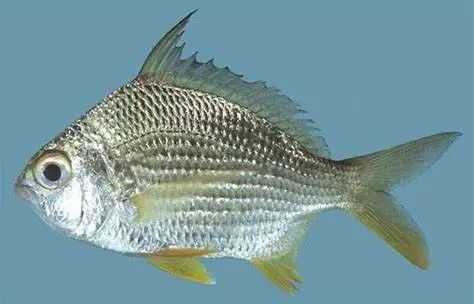
Scolopsis vosmeri: The Vosmer’s monocle bream of Coral Reefs
Scolopsis vosmeri, commonly known as Vosmer’s monocle bream, is a vibrant species belonging to the Scolopsidae family, inhabiting the warm tropical waters of the Indo-Pacific region. Renowned for its striking coloration and unique ecological role, this fish is characterized by a laterally compressed body with a bold reddish-orange hue, adorned with intricate blue or purple markings and a prominent black spot near the base of the caudal fin, which resembles an "eyespot" to deter predators.
1 minute read

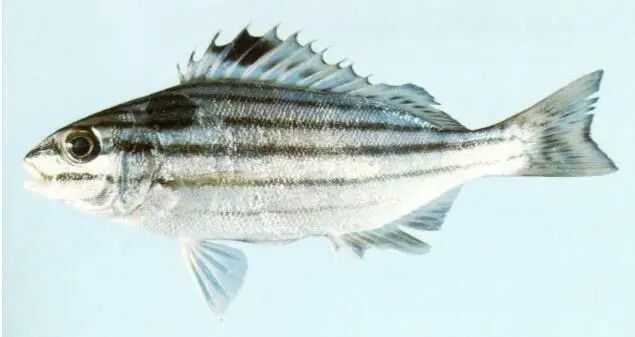
Pelates quadrilineatus: The Four-Banded Terapon of Tropical Waters
Pelates quadrilineatus, commonly known as the four-banded terapon, is a dynamic species within the Terapontidae family, thriving in the warm coastal and estuarine waters of the Indo-Pacific region. Renowned for its distinct markings and adaptability, this fish is characterized by a streamlined, laterally compressed body with a silvery base color, adorned with four prominent dark horizontal bands that run the length of its flanks, creating a striking contrast against its vibrant hue.
1 minute read
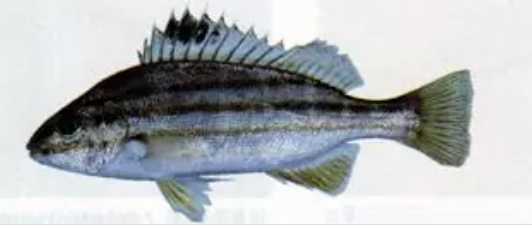
Pelates sexlineatus: The Six - Striped Grunter of Australian Waters
Pelates sexlineatus, commonly referred to as the six - striped grunter, is a fascinating species within the Terapontidae family. Endemic to the eastern Australian waters, this fish is celebrated for its distinct appearance and ecological role in the region's coastal and estuarine ecosystems.
1 minute read
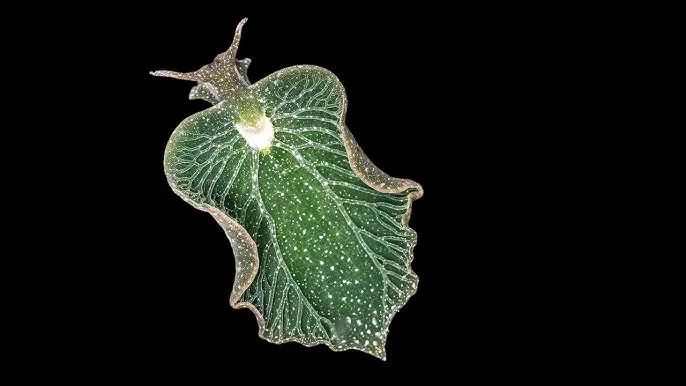
The Leaf Sheep Slug: Nature’s Photosynthetic Marvel That 'Steals' Chloroplasts to Survive
The leaf sheep slug (Elysia chlorotica), a marine gastropod, defies biological norms by hijacking chloroplasts from algae and using them for photosynthesis—allowing it to go 9 to 10 months without eating. This extraordinary ability, known as kleptoplasty, has made it a celebrity in the scientific world, blurring the line between animal and plant.
1 minute read